
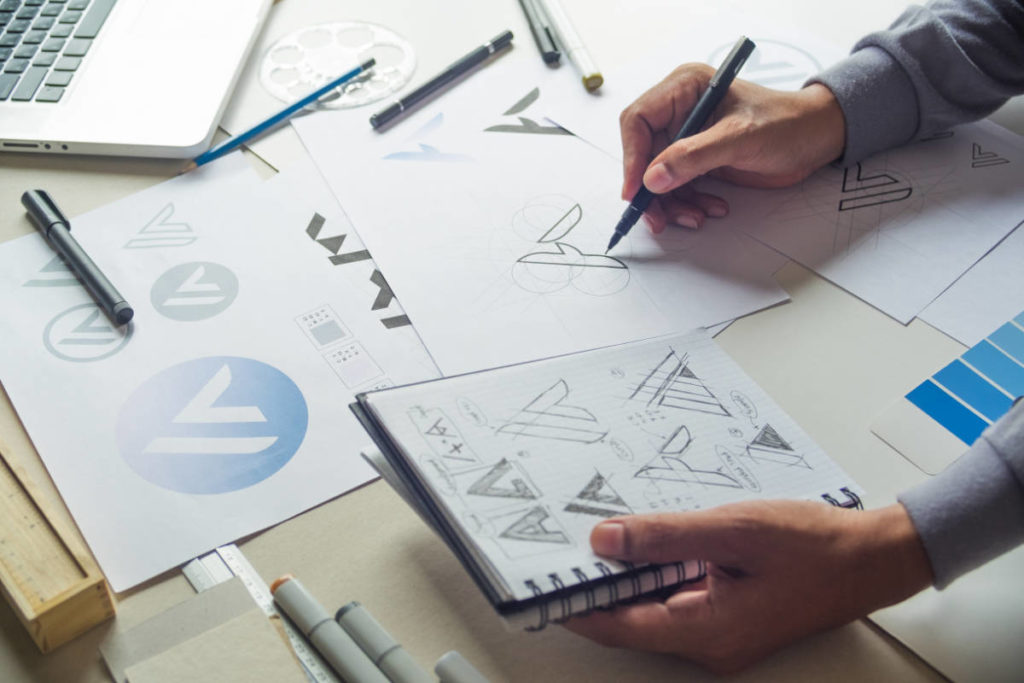
How to make a Great Logo

Designing a logo involves several steps to ensure it effectively represents the brand and communicates the intended message. Here’s a detailed guide on how to design a logo:
Step 1: Understand the Brand
- Research: Gather information about the brand, its values, target audience, and competitors.
- Define Objectives: Determine what the logo should communicate (e.g., professionalism, creativity, reliability).
Step 2: Brainstorming and Concept Development
- Sketching: Start with rough sketches to explore different ideas and concepts.
- Mind Mapping: Create a mind map to visualize associations and concepts related to the brand.
- Word Association: List words related to the brand and explore visual representations of these words.
Step 3: Designing
- Choose a Style: Decide on a style that aligns with the brand’s personality (e.g., minimalist, playful, sophisticated).
- Typography: Select appropriate fonts that reflect the brand’s tone and style.
- Color Palette: Choose colors that evoke the desired emotions and resonate with the brand’s identity.
- Iconography: Create or choose symbols or icons that represent the brand or its core values.
- Balance and Symmetry: Ensure the design is visually balanced and has a pleasing composition.
- Versatility: Design a logo that looks good across different platforms and sizes.
Step 4: Digitalization
- Vectorization: Convert hand-drawn sketches into digital format using graphic design software like Adobe Illustrator.
- Refinement: Refine the design, adjusting elements for consistency and clarity.
- Test: Test the logo in various contexts to ensure legibility and effectiveness.
Step 5: Feedback and Revision
- Gather Feedback: Seek input from stakeholders, clients, or target audience to refine the design further.
- Iterate: Make necessary adjustments based on feedback to improve the design.
- Finalize: Once satisfied, finalize the logo design.
Step 6: Presentation
- Contextualization: Present the logo in mockups to visualize how it will appear in real-world applications (e.g., business cards, websites).
- Documentation: Provide guidelines on logo usage, including minimum size, color variations, and clear space.
- Presentation Deck: Prepare a presentation to showcase the logo design process and rationale to stakeholders.
Step 7: Delivery
- File Formats: Provide the client with various file formats (e.g., EPS, PNG, SVG) for different use cases.
- Ownership: Transfer ownership rights or provide usage licenses as per the agreement.
Additional Tips:
- Keep it simple: A simple design is often more memorable and versatile.
- Make it timeless: Avoid trends that may quickly become outdated.
- Ensure scalability: The logo should look good whether it’s on a billboard or a business card.
- Test for versatility: Ensure the logo works in both color and black and white.
By following these steps and incorporating creativity and strategy, you can design a logo that effectively represents the brand and leaves a lasting impression.
Thanks for the good writeup. It in truth was a leisure account it.
Glance advanced to more added agreeable from you!
However, how ccan we keep up a correspondence? https://Bandurart.Mystrikingly.com